
Understand What Companies Really Want
In tech hiring today, skills win. Not diplomas. Companies care less about where (or if) you got your degree and more about what you can do right now, in their stack, on their timeline. Can you build? Can you debug? Can you ship it? If yes, that beats a framed certificate every time.
Applied experience moves the needle. Personal projects, contributions to open source, contract gigs even that side hustle you built in Node.js last year these matter far more than theoretical knowledge tucked into a transcript. It’s not about saying you’re a full stack dev; it’s about showing proof. Repos, demos, changelogs these are the new résumé gold.
That said, throwing a one size fits all résumé at every job won’t cut it. Matching your resume to the role doesn’t mean stuffing in a bunch of buzzwords from the post. It means understanding the real ask. If a listing emphasizes performance optimization, talk about that time you reduced render lag or squeezed database latency don’t just list “JavaScript.”
Reading a job description like a hiring manager helps. Break it down. What problems are they trying to solve? What kind of person do they need today not next quarter? Reflect that back. Tailor your bullets to match that story. Highlight outcomes. And drop filler they’ll spot fluff from miles away.
Bottom line: Make your résumé a response, not a broadcast.
Focus On Impact, Not Features
Many developers make the mistake of writing resumes that read like technical manuals jammed with responsibilities, tools, and jargon. While that might feel like the right approach, it doesn’t help hiring managers understand what you actually accomplished.
Show Results, Not Just Tasks
Instead of listing what you did, explain what changed because of your work. Highlight impact.
Do this: “Reduced page load time by 40%”
Not this: “Worked on front end components”
Always structure accomplishments around outcomes, not duties. What performance improvements, user gains, or business impact did your work deliver?
Use Numbers That Tell a Story
Metrics do more than decorate your resume they build credibility.
Increased test coverage to 95%, reducing bugs in production by 60%
Refactored authentication flow, cutting login errors by 35%
Delivered 3 core backend services that supported a 200% user base growth
If you don’t have hard numbers, estimations or qualifying phrases (“significant,” “noticeable savings”) are better than vague fluff.
Mastery Over Volume
Listing dozens of tools or frameworks isn’t impressive it’s overwhelming. Instead:
Highlight the 3 5 technologies you actively use and know well
Showcase tools tied to your most impactful projects
Hiring managers care less about how many libraries you’ve touched and more about what you’ve built with them.
Focus on what proves your fluency, not what pads your word count. Your resume is a highlight reel not a tech census.
Modern Resume Design Essentials
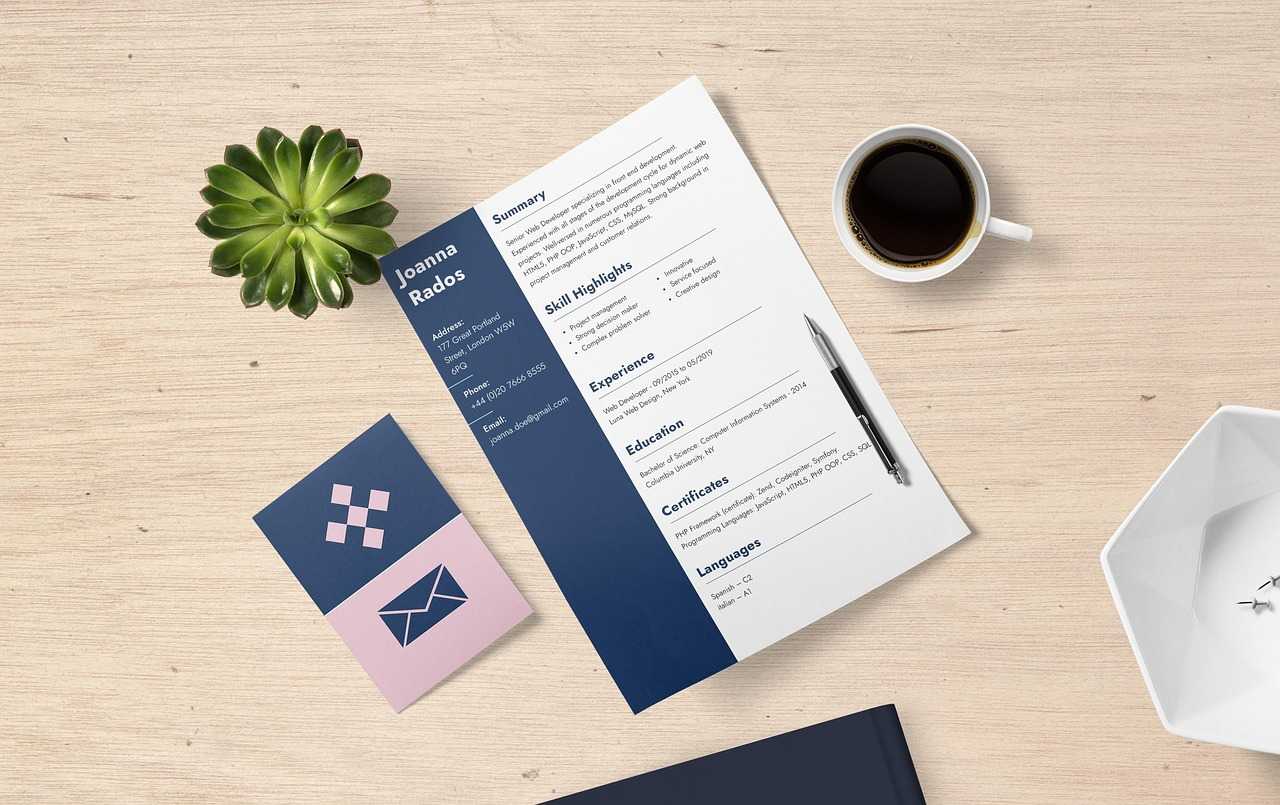
Your resume is not a UI playground. Drop the text walls, gradient backgrounds, and quirky fonts. Recruiters skim, not study so structure your document for clarity. Stick to one column, clear section headings, and logical flow. Use bullet points, short sentences, and generous white space. If a recruiter has to squint or scroll too much, you’re already losing.
ATS (Applicant Tracking Systems) don’t care how cool your resume looks they care if it reads clean and parses correctly. That means saving your file as PDF (unless stated otherwise), avoiding tables for layout, and using standard headings: “Experience,” “Education,” “Skills.” No funky symbols or embedded graphics.
Fonts matter too. Go for readable ones like Arial, Helvetica, or Calibri. Stick to 10 12 pt. No Comic Sans, no script fonts. Design should stay invisible let your story do the work.
Even in dev roles, design tells a story. Clean equals competent. You’re signaling that you build with user experience in mind, whether it’s product code or your own brand.
For more on practical design tips, check out these resume building tips.
Optimizing for 2026 Trends
Some advice never goes out of style. Tailoring your resume for each job is still one of the smartest moves you can make. Recruiters spot generic applications a mile away, and in 2026, with smarter ATS filters and tighter competition, a one size fits all resume lands exactly nowhere.
What makes the biggest difference today? Proof. Link directly to your GitHub. Include live demos. Let your projects speak for you. Even a lean portfolio with two or three strong examples tells hiring managers more than a wall of text ever could.
Also, the way we work has changed. Show that you’re fluent in remote collaboration. Mention the tools Slack, Notion, Git, Loom and the way you contribute across time zones. Async workflows aren’t fringe anymore; they’re baked into global startup culture.
Finally, if you’ve picked up AI tools or automated parts of your dev workflow, say so. From code suggestions to test generation, companies are looking for developers who can plug into faster ecosystems. Just make sure you’re not throwing around buzzwords show you understand the tools and how they fit into actual projects.
Bonus: What to Leave Out
Let’s keep it blunt. No one hiring for a backend engineering role cares that you delivered pizza in college. Cut any job experience that doesn’t show off skills relevant to what you want now. If it doesn’t connect to coding, systems, tech, or cross functional teamwork it’s noise.
Next: lose the fluffy objective statement. “I’m a motivated developer seeking growth in a dynamic environment” tells us nothing. Swap it for a sharp professional summary at the top. Two or three punchy lines that highlight your core tech strengths and what problems you solve. Keep it clean, skip the gimmicks.
And ditch the buzzword soup. “Passionate,” “thought leader,” “team player,” “ninja” none of it lands. Show what you’ve done instead. Let metrics, shipped projects, and clean code speak louder than a list of traits. Strong resumes are built on clarity and proof, not filler words.
Final Pass Checklist
Before you send that resume out, pause and pressure test it. Is the top half doing the heavy lifting? A recruiter should be able to skim the first few inches and instantly know who you are, what you do, and what you’re good at. Don’t bury the headline make sure your title, summary, and most relevant skills are up front.
Next, ask yourself: can someone learn 80% of what matters in 10 seconds? Most recruiters won’t give you more time than that unless something sticks. Prioritize clarity and results over fluff. You’re aiming for a sharp, lean document that demands attention not a LinkedIn blog post dressed as a resume.
Speaking of LinkedIn: make sure it mirrors your resume. Nothing makes you look more disorganized than a mismatch between the two. Sync job titles, dates, and especially your headline. You want your personal brand to feel consistent whether someone finds you through your resume or your profile.
Still hesitant? Give your resume one last pass using these resume building tips. Get brutal. Cut the noise. Polish the signal.
 Mikeel Wrighteners, the visionary founder of Code Hackers Elite, has built a dynamic platform that bridges the gap between innovation and community in the coding world. With a passion for empowering developers, Mikeel leads the charge in delivering timely news, expert insights into software development best practices, and career guidance for professionals navigating the ever-evolving tech landscape. His mission is to ensure coders stay ahead of the curve and inspired in their journey.